Insights | “Two Lanes” of Land Prices
21, August, 2026

Author: Tuan Pham
(Ngo & Partners is pleased to share the article "'Two Lanes' of Land Prices" by Tuan Pham, LL.M., Of Counsel at Ngo & Partners, originally published on Dan Tri News, 25 February 2026.)
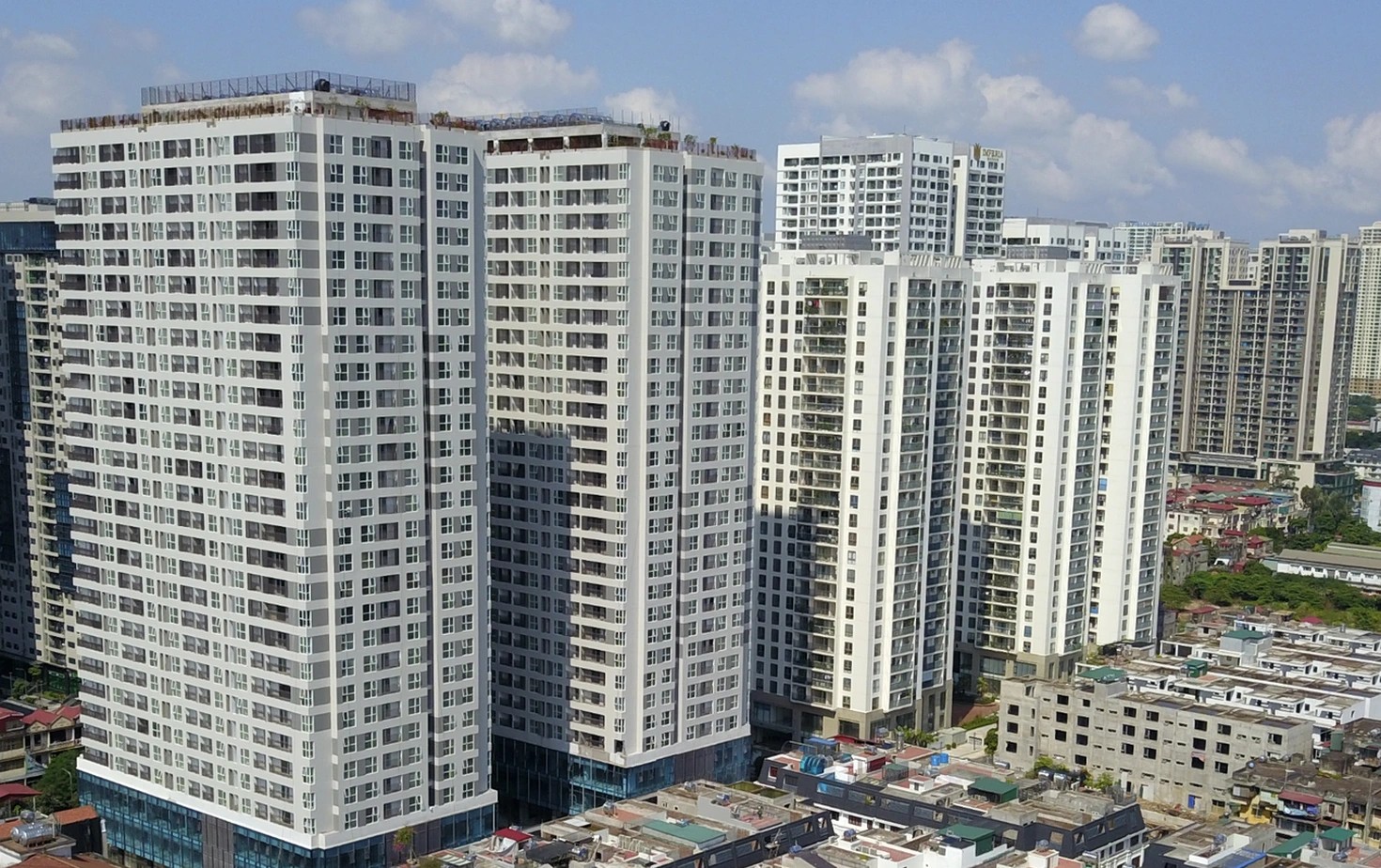
With urban housing and land prices climbing ever higher, those who bought early a few years ago call themselves "lucky", while others still house-hunting say, "let's just rent for now and figure it out later." Two different remarks, yet both reflect the same familiar reality of the real estate market.
What gets little attention is this: high housing prices are not simply the result of expensive land or cheap money. They are also the result of how long it takes to determine a project's land price.
For many years, determining land prices for projects has been one of the longest-standing bottlenecks keeping the real estate market "frozen". Many projects have land and banks ready to finance them, yet still cannot move forward. While waiting, loan interest accrues daily, costs keep rising, and developers still cannot begin sales. By the time everything is finally settled, costs have piled up so much that it is hard to expect housing prices to come down.
That is why, starting in 2026, as the State shifts to a new mechanism under Articles 7 and 8 of Resolution No. 254/2025/QH15 and Article 8 of Decree No. 49/2026/ND-CP — under which project land prices are determined mainly on the basis of the land price list and the land price adjustment coefficient (Coefficient K) — expectations have run high. In principle, this approach is simpler: there is a general formula that can be estimated in advance, businesses face less uncertainty, and regulatory agencies face less pressure to calculate the details for each project individually as they did before.
It can be pictured simply: the land price list is the "base price", while Coefficient K is an adjustment factor that brings that figure closer to market value based on price fluctuations, planning, and the particularities of each area. Through this mechanism, businesses can estimate their financial obligations in advance, instead of waiting as long as before.
The most important change is not just a shift in how prices are calculated, but a shift in how land valuation is thought about. Instead of calculating the land price separately for each project as before — from gathering transaction data to estimating revenue and costs — the State is now moving toward a more standardized approach: using the land price list and Coefficient K as the common basis. Determining specific land prices project by project — long the source of a major bottleneck — is now limited to certain cases (call them "exceptions"), such as projects with mixed land-use purposes under planning. For the rest, the land price is determined by the existing formula, faster and more predictable.
But here is the problem: the line between "applying the formula" and "exception cases" is not really clear. So in practice, "exceptions" risk not being as rare as the text suggests.
Picture the new mechanism as a two-lane road. The fast lane is for tidy projects, with simple land-use purposes and no mixed-use elements. Apply the formula, done quickly.
But the moment a project has even a few "mixed" elements — such as residential land combined with commercial services, or structures with different functions — it may have to swerve into the other lane: the appraisal lane. Gathering data, appraisal meetings, waiting on a decision. This lane was designed to handle a small number of special cases, but if traffic keeps growing, it can easily become the old bottleneck again.
Specifically, Clause 2, Article 5 of Decree No. 49/2026/ND-CP stipulates that "the Provincial People's Committee shall review and decide on the determination of specific land prices for investment projects with mixed purposes under construction planning". In other words, projects "with mixed purposes under construction planning" still follow the previous method of determining land prices (the specific land price), not the new formula of the land price list multiplied by Coefficient K.
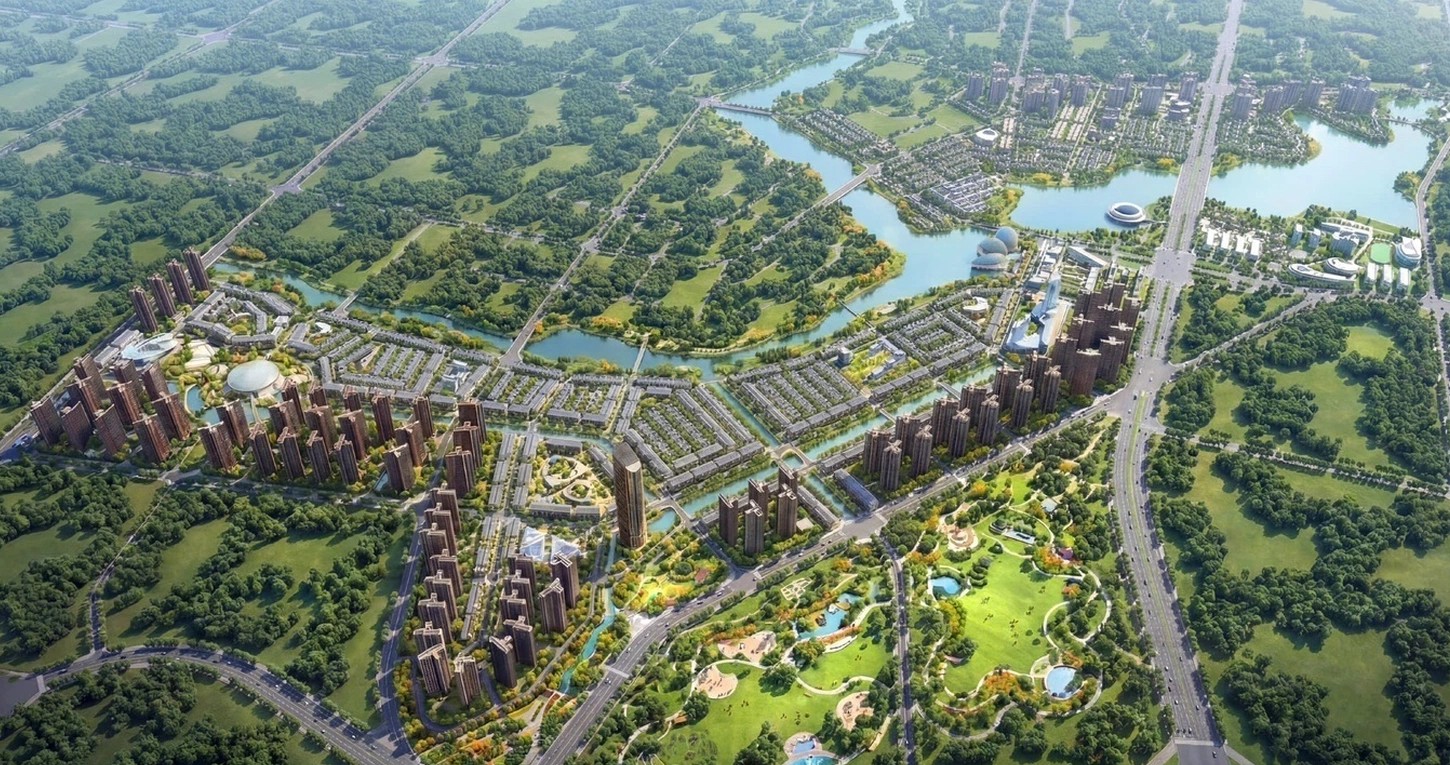
What worries the market is not the existence of the "slow lane", but the fact that the line between the two lanes is not clear enough. In urban development, very few projects are entirely free of mixed-use elements. Build housing, and you need schools, supermarkets, hospitals and public works alongside it. When the exception is not clearly defined, many projects can be pushed back into the old appraisal mechanism.
If more and more projects fall into the "exception" group, the old bottleneck does not disappear — it just moves. The feeling of waiting, then, stays as familiar as before.
At first glance, this seems like a story about businesses. But in reality, it is homebuyers who feel the impact most directly. When a project is delayed, financing costs rise. In the end, those costs usually get folded into the selling price. Buyers pay not just for the house, but for all the waiting time before it. Homebuyers never see the land price list or care about Coefficient K, but they see the investor's selling price.
To be fair, for most projects, applying the land price list and Coefficient K is still a step forward. For simple projects, this mechanism makes things faster and more predictable. But the real estate market is not always "as neat as a textbook". Most projects have some mixed element, get adjusted during implementation, or are tied to broader urban development goals. If the exception is not clarified, the reform risks being right in policy but uneven in practice, with its effectiveness ultimately resting on how each locality applies it case by case. And then, the exception risks becoming the rule.
So the question is not whether "land pricing has been unblocked", but whether the implementation itself truly flows. If valuation is only "easy" on paper, while in practice people still wait, housing prices will be hard to bring down — even with a simpler formula. Homebuyers, in the end, are not paying for Coefficient K. They are paying for the months and years left hanging between decisions that never arrived in time.